Leave Your Message
0%

In the fast-paced world of digital marketing, really getting a handle on Ins Positioning can make all the difference for brands trying to stand out. John Smith, who’s pretty much a go-to guy when it comes to social media strategies, puts it simply: "Ins Positioning is the thread that connects your audience to your brand." I think that really drives home just how important it is for building real relationships.

Basically, Ins Positioning is all about how a brand shows up on platforms like Instagram. The pics they post, the captions they write, the hashtags—they all gotta work together to create a consistent vibe. But honestly, this can be easier said than done for many businesses. Sometimes, they get stuck trying to find their unique voice or don’t have clear goals, which makes it harder to nail that perfect position.

One thing that’s super important? Engagement. Connecting with the audience isn't just about lookin’ good with pretty photos — it’s about truly interacting and sharing stories that click with people. Sadly, some brands overlook this and focus only on the aesthetic side of things. To succeed with Ins Positioning, you need a good balance. It’s not just about showing off products, but also about sharing stories that really resonate. That’s how brands build genuine connections and stand out in the crowd.

What is Ins Positioning and How Does it Work?

What is Ins Positioning in the Insurance Industry?

Ins positioning refers to how insurance companies present their products in a competitive market. It involves understanding customer needs and creating distinct offerings. This process is crucial as it influences consumer decisions and brand loyalty.

In the insurance industry, ins positioning requires careful analysis. Companies must identify target demographics and assess their preferences. Some insurers focus on affordability. Others promote extensive coverage or exceptional service. Each approach has its merits and challenges. It can be hard to stand out in a crowded field. Many companies struggle with consistent messaging.

Effective ins positioning also requires continuous reflection. Firms must frequently reevaluate their strategies. What worked last year may not resonate today. Market trends constantly change. Engaging with customers through feedback is vital for improvement. Successful companies adapt their positioning based on real-time insights. This iterative process can lead to growth and enhanced customer satisfaction.

What is Ins Positioning and How Does it Work? - What is Ins Positioning in the Insurance Industry?

Dimension Description Importance Example
Customer Segment The specific group of consumers targeted by an insurance product. Helps tailor products to meet specific needs. Young professionals, families, retirees.
Value Proposition The unique benefits that differentiate the insurance offer from competitors. Enhances customer perception and loyalty. Comprehensive coverage at competitive rates.
Distribution Channels The methods by which insurance products are sold to consumers. Affects accessibility and convenience for customers. Online platforms, agents, brokers.
Pricing Strategy The approach to setting prices for insurance products. Determines competitiveness and profitability. Discounts for bundled policies, tiered pricing models.
Brand Positioning How a brand wants to be perceived in the market. Influences customer trust and market identity. Innovative and customer-friendly insurance solutions.

Key Principles of Insurance Positioning Strategy

Insurance positioning is crucial for companies to define their market presence. An effective strategy can highlight unique offerings. It helps to differentiate from competitors and communicate value clearly.

Key principles of insurance positioning strategy include understanding the target audience. Knowing customer needs allows insurers to tailor products accordingly. Inertial Positioning can create a strong brand image. This means emphasizing stability and reliability in services.

Another essential aspect is message clarity. A clear, concise message resonates better with potential clients. It’s vital to simplify complex insurance terminology. Many consumers feel overwhelmed by jargon. Reflecting on how the message is conveyed can lead to significant improvements. Consistency in branding across all platforms is equally important. Repeated exposure builds trust, but over-saturation can lead to fatigue. Finding the right balance is a challenge that requires constant tweaking.

The Role of Market Segmentation in Ins Positioning

What is Ins Positioning and How Does it Work?

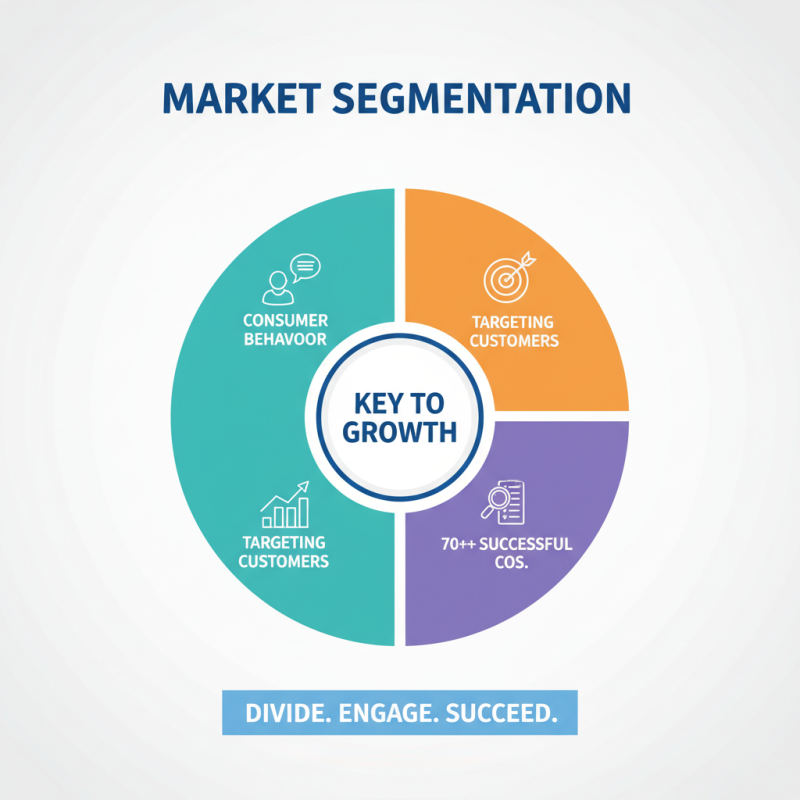
Market segmentation is crucial in understanding consumer behavior. By dividing the market into distinct groups, businesses can better target their customers. For instance, a recent report indicated that over 70% of successful companies employ market segmentation strategies. This approach helps pinpoint specific needs and preferences.

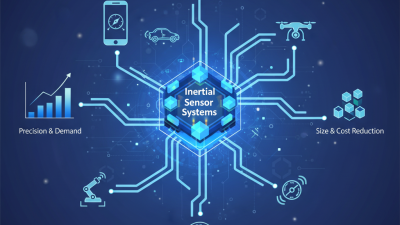
Inertial Positioning System technology plays a vital role in refining these market strategies. It analyzes data about customer movements and behaviors. This allows companies to create personalized marketing campaigns. However, relying solely on this data can lead to oversights. Not every customer fits neatly into segmented boxes.

Tips: Always look for patterns but remain flexible. Stay open to adjusting your strategies based on new insights. This adaptability can enhance customer engagement and loyalty. Analyze feedback regularly to ensure alignment with customer needs. Engage with your audience to uncover nuances in their preferences.

Analyzing Competitive Landscape for Effective Positioning

Effective positioning requires a clear understanding of the competitive landscape. Businesses must identify their unique value within a crowded market. The Ins System provides insights to analyze competitors. It helps in understanding their strengths and weaknesses.


Market research is crucial for positioning. Analyzing competitors involves looking at various factors. Pricing, product features, and customer engagement are critical. Additionally, businesses should evaluate competitors’ marketing strategies. This analysis can reveal gaps in the market. These gaps are opportunities for differentiation and growth.


However, challenges exist in this process. It’s easy to misinterpret data or overlook important trends. Businesses may rely too heavily on popular metrics, missing nuanced insights. Continuous reflection on positioning strategies is essential. The Ins System can guide adjustments in tactics over time. This ensures a responsive approach to evolving market conditions.

Case Studies: Successful Ins Positioning Examples

Ins positioning is a sophisticated method used in various industries. It leverages sensors to enhance the accuracy of positioning data. Many companies have successfully adopted this technique, illustrating its effectiveness in real-world applications.

One notable case is in the construction industry. Digging equipment equipped with Ins positioning can operate with remarkable precision. Operators can rely on instantaneous feedback on their location. This leads to safer and more efficient site management. However, there are challenges. Sometimes, the data can be misleading, especially in complex terrain. This highlights the need for ongoing training and adjustments.

Another example comes from agriculture. Farmers use Ins positioning to maximize crop yields. By analyzing soil conditions with accurate location data, they can make informed decisions. Yet, it's not without flaws; environmental factors can disrupt the readings. This serves as a reminder to continuously explore improvements. Balancing technology like Gps And Ins can lead to better outcomes, but careful consideration is necessary.

Ins Positioning Success Metrics

Metrics for Measuring the Effectiveness of Ins Positioning

Ins positioning is crucial for businesses aiming to enhance their visibility. However, measuring its effectiveness can be challenging. Various metrics can provide valuable insights into how well a brand is positioned. These include engagement rates, reach, and audience growth. Each metric offers a different perspective on performance.

Engagement rates reveal how well content resonates with the audience. High engagement suggests people are interested in what’s being shared. Meanwhile, reach indicates how many people are exposed to the content. It’s important to analyze if that exposure leads to action. Audience growth sheds light on your expanding influence over time.

However, reliance on these metrics can be misleading. A spike in numbers doesn’t always equal success. For instance, high reach with low engagement might signal disinterest. Reflecting on these discrepancies helps refine strategies. Continuous evaluation ensures a brand stays relevant and strategically positioned.

Future Trends in Insurance Positioning Strategies

What is Ins Positioning and How Does it Work?

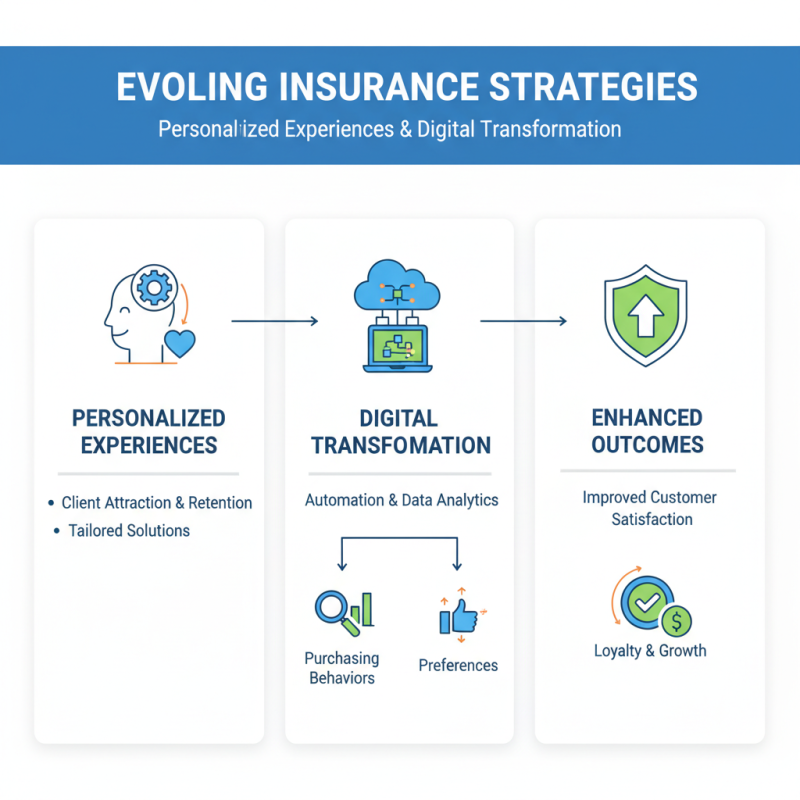
Insurance positioning strategies are evolving rapidly. Companies are now focusing on personalized experiences to attract and retain clients. Digital transformation is a big part of this. Automation and data analytics help insurers understand customer needs better. They analyze purchasing behaviors and preferences to offer tailored solutions. This approach enhances customer satisfaction.

Another trend is the rise of insurtech. These startups leverage technology to disrupt traditional insurance models. They provide innovative products and streamline processes. Consumers benefit from faster service and improved access. However, not all insurtechs succeed. Many face challenges in scaling their operations or gaining consumer trust.

Sustainability is becoming a major focus. Insurers are adopting eco-friendly practices in their operations. They consider the environmental impact of their portfolios. There is also a push for transparency in business practices. Customers are demanding clarity in policies and pricing structures. Insurers must adapt quickly or risk losing market relevance. Balancing innovation and regulatory compliance is a task that requires constant reflection.

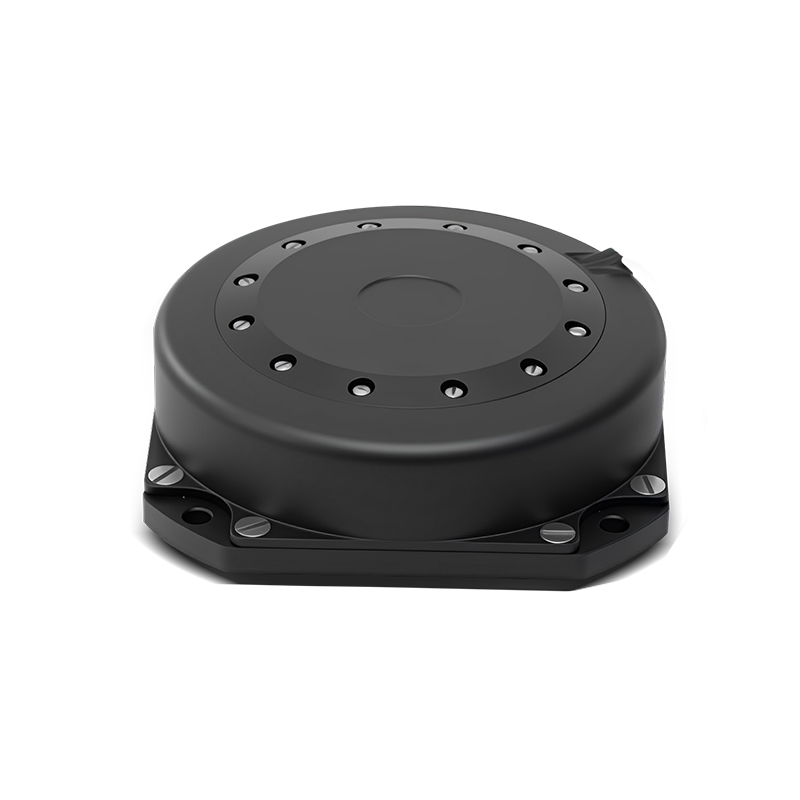
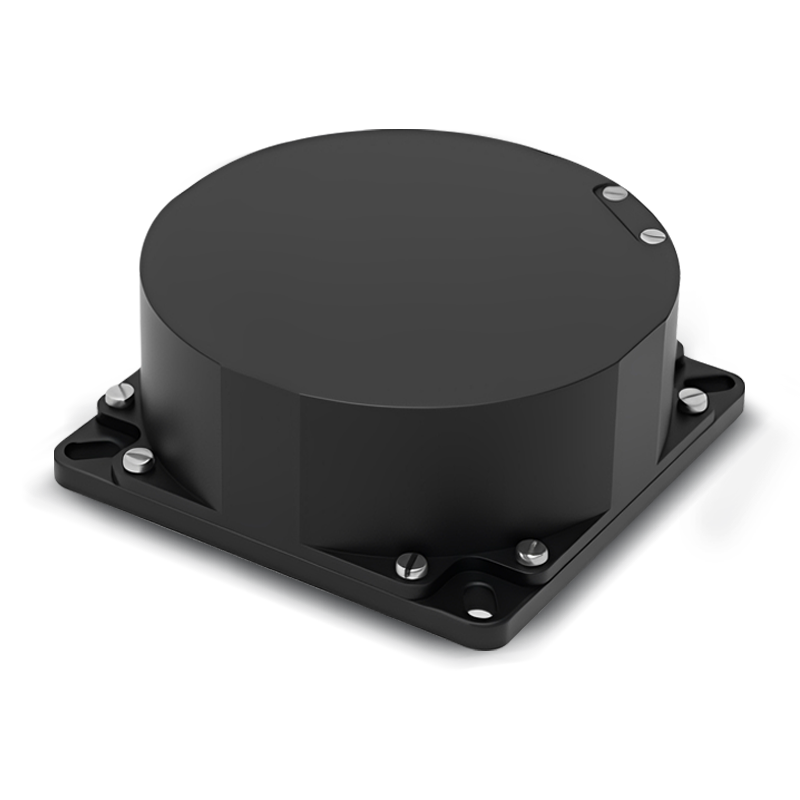
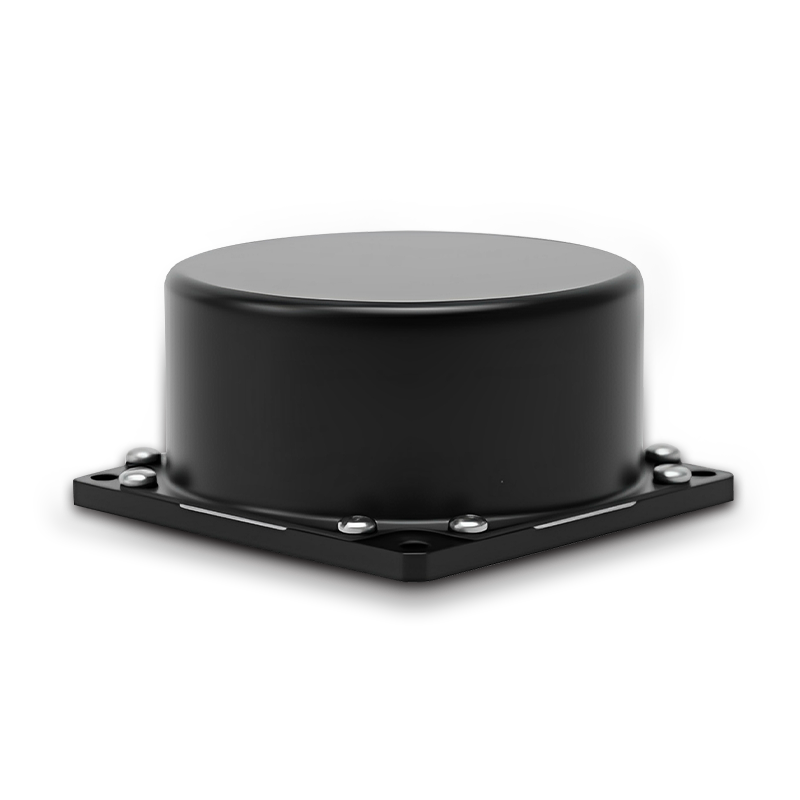
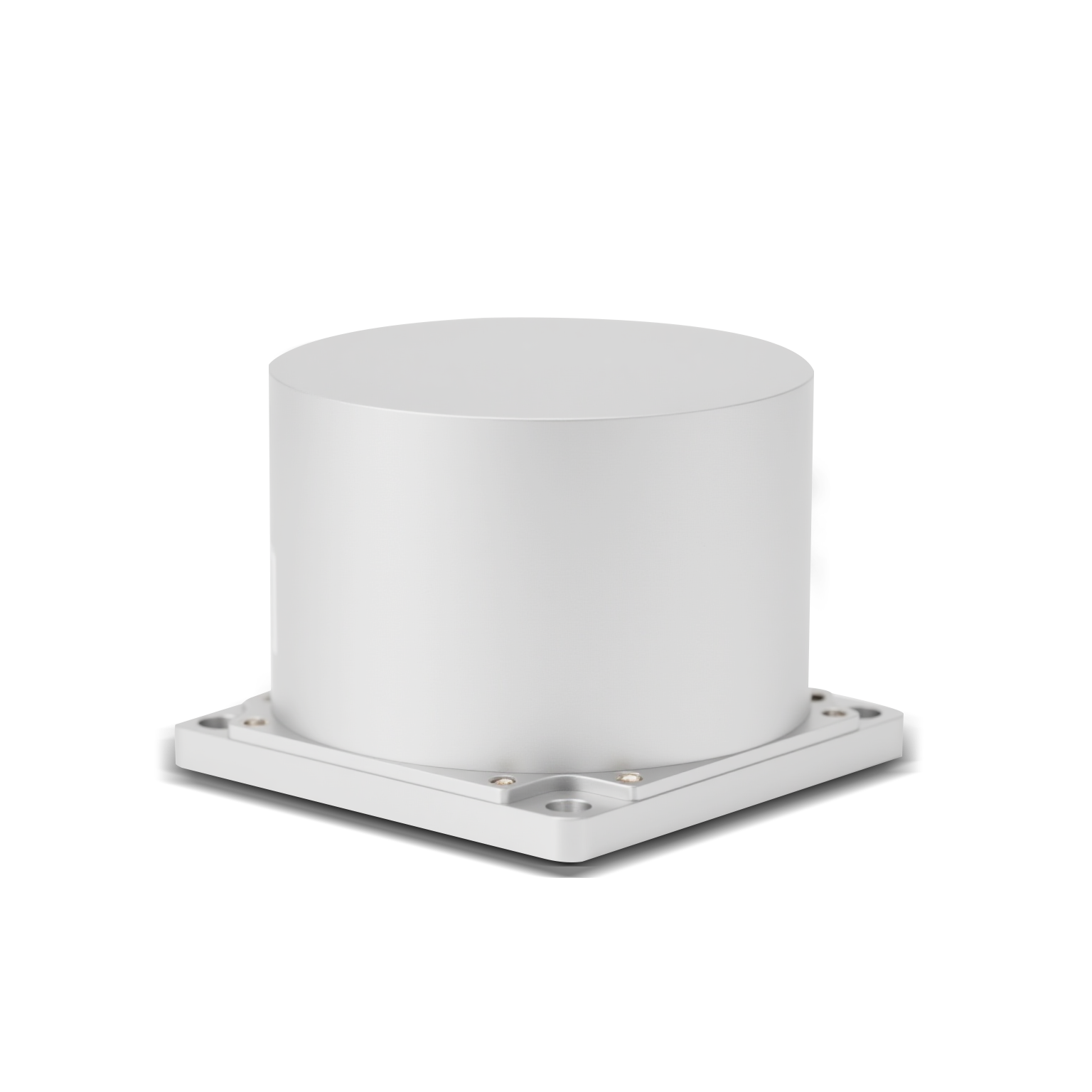
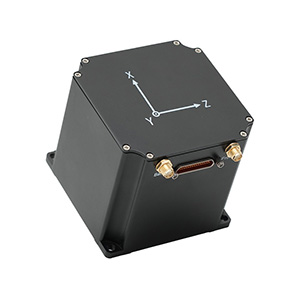
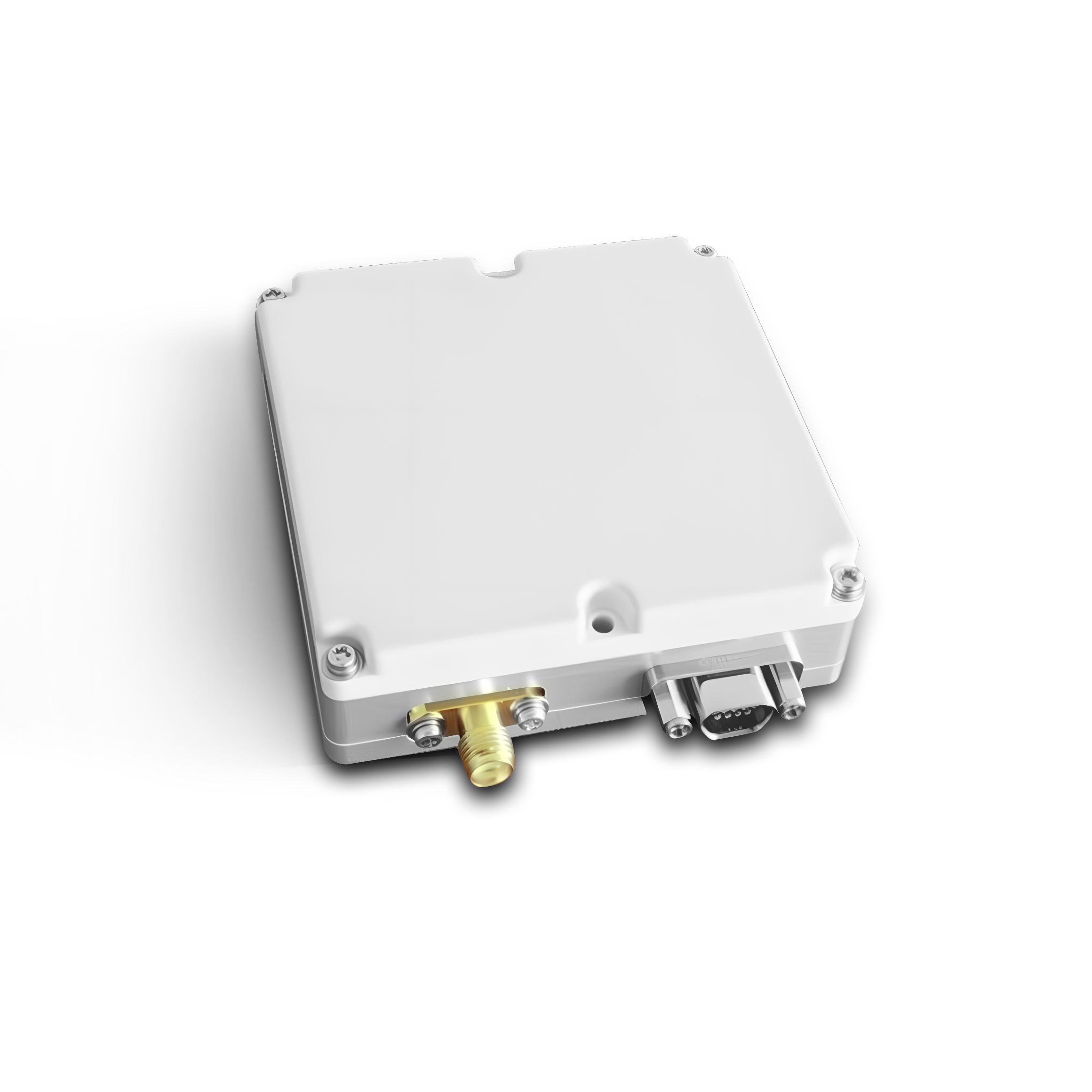
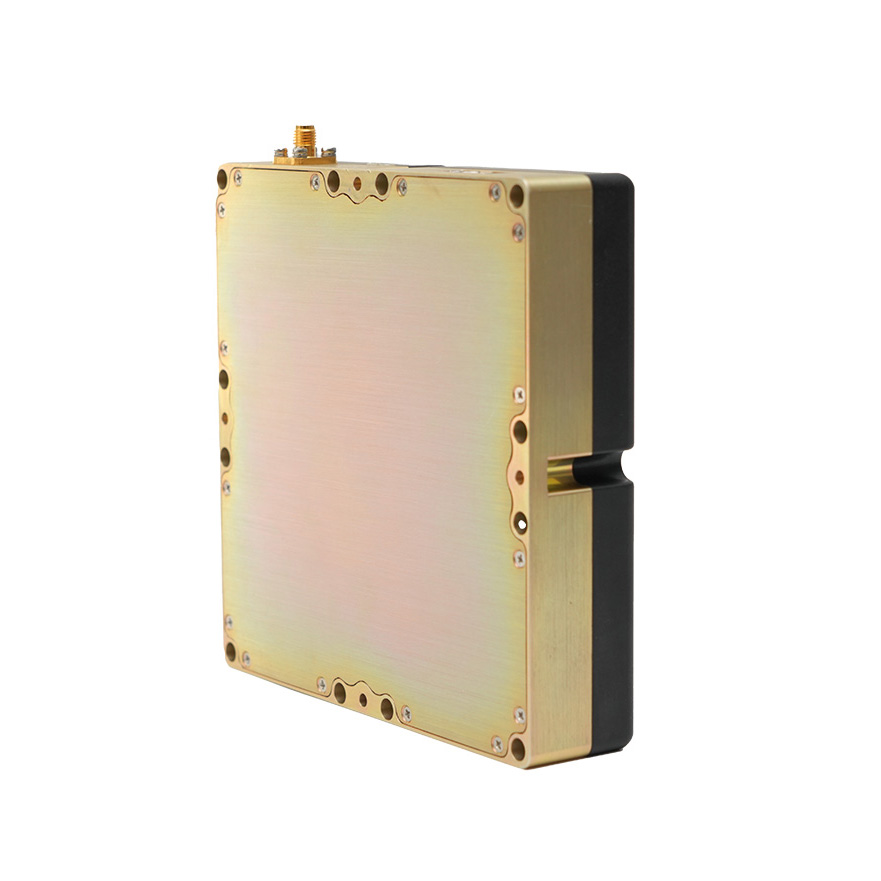
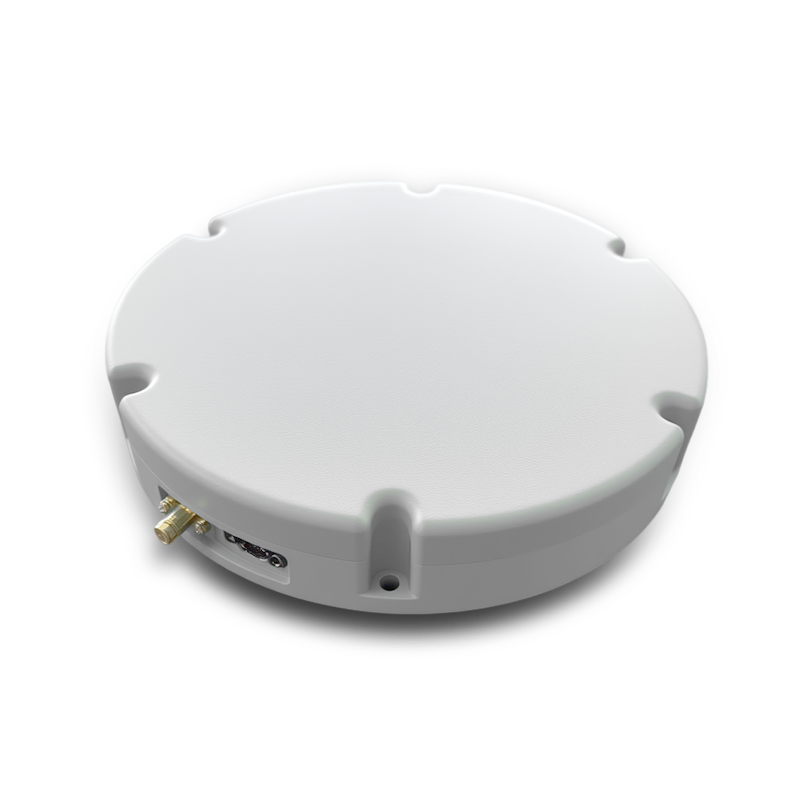
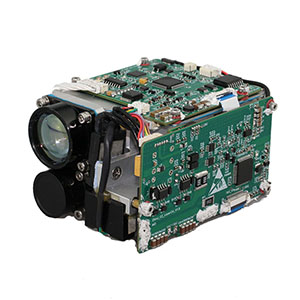
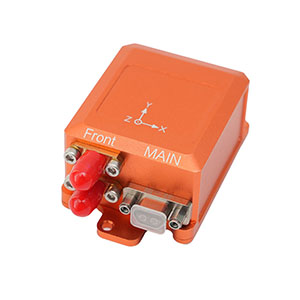
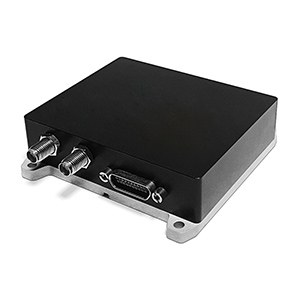
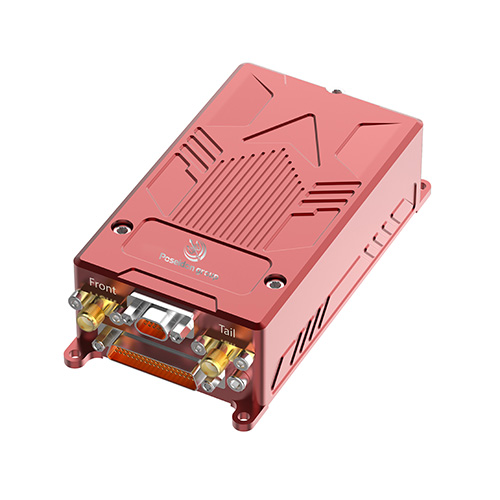
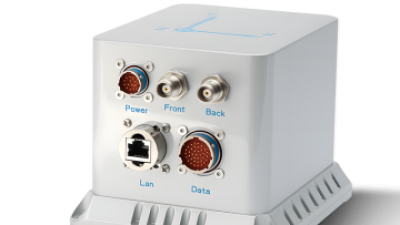
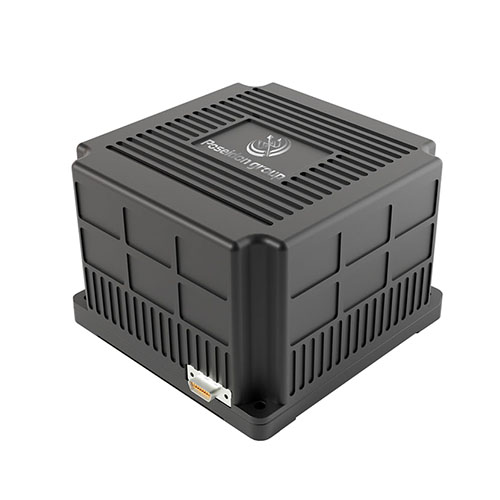
Leveraging High Precision Integrated INS970 for Enhanced Navigation in GPS-Denied Areas: Insights from Industry Reports and Trends

In the realm of offshore oil and gas operations, navigating the challenges presented by GPS-denied areas is crucial for maintaining safety and efficiency. The integration of advanced navigation technologies like high precision inertial navigation systems serves as a pivotal solution, offering unparalleled accuracy and reliability where traditional satellite navigation may falter. The latest innovations, featuring fiber optic gyroscopes and MEMS accelerometers, enhance navigation capabilities in remote and hazardous environments, ensuring seamless operational continuity.

The advancement of inertial navigation systems allows for real-time data acquisition, including critical parameters such as heading, attitude, and velocity. By equipping vessels and unmanned aerial vehicles with these integrated systems, operators can achieve precise subsea navigation and conduct thorough asset inspections. The compact design and low power consumption of these technologies further support a diverse range of applications, from marine engineering to deep-sea exploration, making them invaluable tools for modern energy production efforts.

As the industry continues to evolve, leveraging high precision integrated navigation systems offers strategic advantages that can mitigate risks associated with offshore operations. The ability to gather reliable data under challenging conditions not only enhances operational efficacy but also contributes to the overall safety of personnel and infrastructure in these demanding environments.

FAQS

: What is the process of how to handle a complaint?

: Begin by listening carefully to the customer's issue. Take notes while they explain.

How can one improve customer service skills?

Practice active listening and empathy. Each interaction is a chance to learn and grow.

What should I do if I receive negative feedback?

Reflect on the feedback. Identify areas for improvement. Not everything is perfect.

How important is follow-up communication?

Follow-up shows you care. It can strengthen relationships, even if the initial outcome wasn’t ideal.

What techniques can help resolve disputes?

Consider mediation techniques. Use calming language and find common ground to build understanding.

How can you maintain a positive attitude at work?

Surround yourself with motivating people. Address negative thoughts openly; they can hinder performance.

What if a customer is persistently upset?

Stay patient and acknowledge their feelings. Sometimes, they just need to vent.

Are there universal traits of great customer service?

Yes, empathy, patience, and adaptability are key. No one is perfect, though.

How to deal with challenges in teamwork?

Communicate openly and recognize different viewpoints. Team dynamics are complex and require constant effort.

How can one celebrate small wins?

Acknowledging progress is vital. Even a small positive remark can boost morale.

Conclusion

Ins Positioning is a strategic approach used in the insurance industry to differentiate products and services in a competitive market. By understanding the core principles of insurance positioning, companies can effectively identify their unique value propositions and tailor their offerings to meet specific customer needs. Key elements of this strategy include market segmentation, which allows insurers to focus on distinct demographics and their unique requirements, and analyzing the competitive landscape to identify opportunities for unique positioning.

Successful case studies demonstrate how effective Ins Positioning can lead to increased market share and customer loyalty. Metrics for measuring positioning effectiveness are crucial, enabling insurers to assess their strategies based on customer engagement and retention rates. As the insurance landscape evolves, future trends are likely to emphasize innovative positioning strategies that leverage technology and data analytics, ensuring continued relevance and success in meeting consumer demands.


Emily

Emily

Emily is a dedicated marketing professional at Poseidon, a pioneering company founded in 2013 that specializes in independent research, design, and production of cutting-edge technologies such as fiber optic gyroscopes (FOG), inertial navigation systems (INS), and advanced autonomous driving......
Previous How the Best Inertial Sensor System Fuels China's Manufacturing Growth Amidst US-China Tariff Challenges