Navigation tech is changing so quickly these days, and the
Inertial Navigation System—or INS—has really become a staple in
modern solutions. As we rely more and more on these advanced systems for
accuracy and
dependability, the role of inertial navigation, especially with innovations like fiber optic gyroscopes, is just impossible to ignore.
Companies like Poseidon International Group (Hong Kong) Limited, which started back in 2013, have been spearheading this whole
revolution. They focus on researching, designing, and making these super cutting-edge inertial navigation systems, along with other high-tech stuff.
They've even got several patents to their name!
Poseidon’s really committed to
improving autonomous navigation and meeting the needs of different industries.
This blog’s gonna cover the key features and perks of Inertial Nav Systems, showing just how important they are today and how companies like Poseidon are pushing the limits of navigation tech.
Key Features of Inertial Navigation Systems in Modern Applications
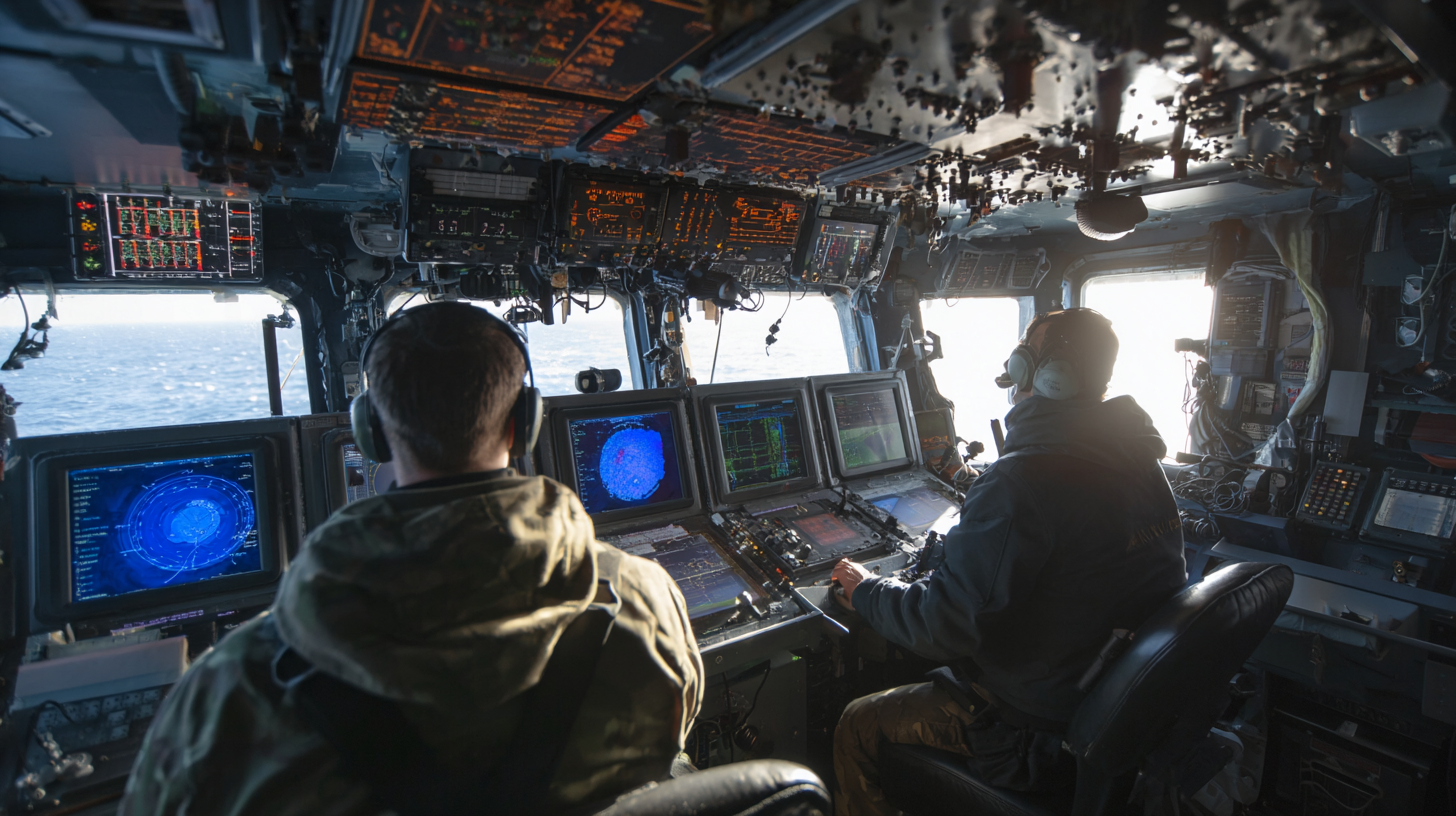
Inertial Navigation Systems, or INS for short, have really become pretty essential in today's tech world — whether you're looking at space exploration or self-driving cars. What’s cool about them is that they mainly use sensors to figure out where something is, which way it's facing, and how fast it’s moving, all without needing external signals like GPS. That’s a game-changer, especially in places where GPS just doesn’t work well — like underwater or tight urban streets with tall buildings blocking signals.
If you’re thinking about adding an INS to your navigation setup, it’s a good idea to look into how you can fuse data from different sensors. Combining info from accelerometers and gyroscopes, for example, can really boost how accurate and reliable your system is. **Pro tip:** Make sure your algorithms are set up for real-time processing — that way, everything runs smoothly and gives you the best results.
Also, modern INS units are pretty compact and built tough. They’re designed to handle rough environments without losing performance. **Another tip:** When picking one out, think about where you’ll be using it. Choose a model that can handle those specific conditions. That way, it’ll last longer and you won’t have to worry about costly repairs or replacements down the line.
Benefits of Integrating Inertial Nav Systems with Other Technologies
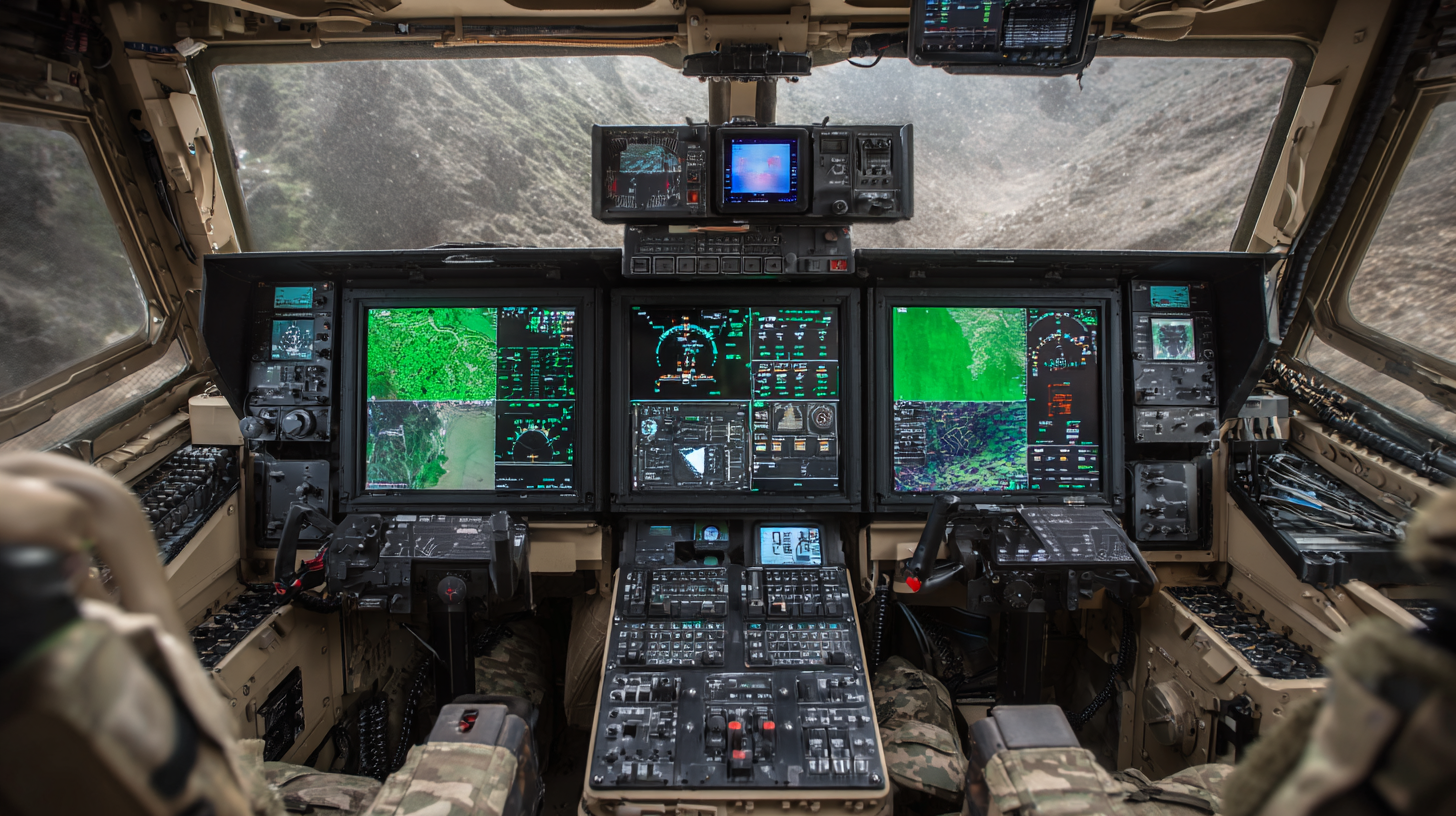
In today's fast-changing world of navigation tech, blending Inertial Navigation Systems (INS) with other cutting-edge tools is really becoming crucial for getting better accuracy and dependability. The market for inertial navigation is sitting around USD 12.1 billion in 2024, and it’s expected to grow to about USD 17.5 billion by 2032 — that’s a compound annual growth rate of about 4.9%. Honestly, this shows how more industries—think aerospace, defense, and self-driving cars—are craving smarter, more reliable navigation solutions.
Recently, some pretty exciting advancements have popped up, like combining inertial measurement units (IMUs) with photonics chip tech. This combo takes navigation to a whole new level. These sensors track acceleration and rotation without relying on gravity, which means INS can be way more precise—especially when GPS signals are weak or just not available. Plus, mixing artificial intelligence with these systems? That’s making navigation smarter and more adaptable to all kinds of real-time changes around us. It’s pretty cool to see how companies like Poseidon International Group are working on fiber optic gyroscopes and INS innovations — really showing how R&D is key to staying ahead in this high-tech game.
Comparison of Inertial Navigation and Traditional Navigation Methods
Inertial navigation systems, or INS for short, are pretty impressive advancements compared to older methods like dead reckoning or celestial navigation. You know, the kind where you’re counting on landmarks or stars to figure out where you are. Well, INS is a bit different because it uses internal sensors to keep track of movement starting from your initial position and speed. The cool thing? It’s all self-contained, so it can keep you on track even if GPS suddenly drops out or signals get weak—like when you're deep underground or in a stormy sky.
The main difference between inertial navigation and the traditional approaches is where they get their info from—INS depends on internal data, while old-school methods rely on external references. The problem with traditional navigation is that environmental factors like bad weather or obstacles can mess things up, causing errors or losing track altogether. INS, however, provides real-time updates, which makes it a lot more reliable and accurate. Plus, with all the cutting-edge algorithms and sensor tech nowadays, inertial navigation has become pretty robust, especially in fields like aviation, ships at sea, or emerging autonomous vehicles. As everyone’s demand for perfect, continuous navigation grows, it’s clear that INS is playing an increasingly vital role in today’s navigation systems.
Challenges in Implementing Inertial Navigation Solutions
When it comes to achieving pinpoint accuracy with modern navigation tech, implementing Inertial Navigation Systems (INS) isn’t exactly a walk in the park. One of the biggest hurdles? Integrating top-notch fiber optic gyroscopes—those high-end FOG components that Poseidon International Group really specializes in. They’re incredibly precise for detecting movement, but getting them calibrated and aligned just right is kinda tricky and takes patience. Plus, the system has to be resilient against environmental changes—things like temperature shifts or vibrations—that can throw it off. That’s why having solid software algorithms is a must.
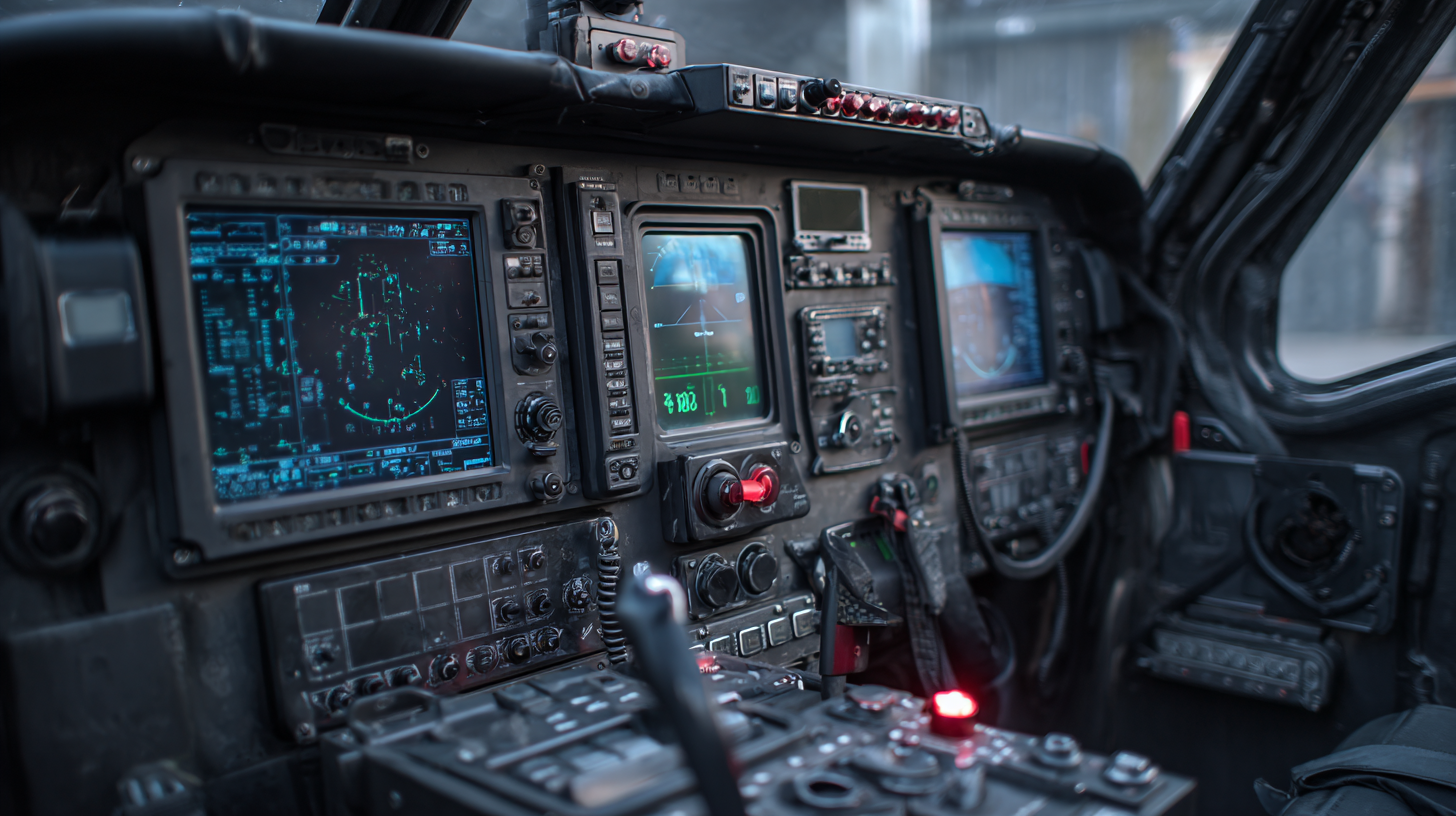
To make these systems more reliable, it’s super helpful to test them in environments that mimic real-world conditions as closely as possible. Using simulation tools during development can save a lot of headaches by catching errors early. And of course, continuous training for engineers is key—tech like this is complex, and having a team that’s up-to-date really makes a difference.
Another big challenge these days is squeezing everything into smaller and smaller devices without losing performance. As gadgets get tinier, maintaining accuracy and dependability becomes a real juggling act. That’s where companies like Poseidon come into play—they’re pushing the envelope by designing compact, high-performance INS units perfect for things like self-driving cars or aerospace tech. Working closely with other tech partners is often the secret sauce; it helps develop scalable solutions that can meet those tight, ever-shrinking design specs.
Future Trends in Inertial Navigation Technology
Lately, the way inertial navigation tech has evolved really shook up how we think about modern navigation. Looking ahead, it seems like we’re heading toward more integration with artificial intelligence and machine learning—things are getting pretty exciting! As these technologies keep getting smarter, they’re expected to boost both the accuracy and dependability of navigation data. With AI algorithms in the mix, future inertial navigation systems will likely learn from past experiences, gradually getting better at handling tricky, unpredictable environments. It’s like they’ll be able to adapt on the fly, which is pretty cool.
And here’s another interesting bit: miniaturization of inertial sensors. As tech keeps shrinking, we’re probably going to see smaller, more efficient sensors that can be built into everyday stuff—think smartphones, cars, even wearables. This not only cuts down costs but also opens up a whole bunch of new uses. Imagine autonomous vehicles smoothly navigating busy city streets or smart gadgets that can still locate you in places where GPS kinda struggles—that’s where inertial navigation is headed. Overall, it’s going to make our daily lives safer, more precise, and way more connected.
What Makes Inertial Nav System Essential for Modern Navigation Solutions - Future Trends in Inertial Navigation Technology
| Dimension |
Description |
Current Trends |
Future Outlook |
| Accuracy |
Precision in determined position and velocity. |
Integration with GNSS for enhanced accuracy. |
Advanced algorithms to improve long-term accuracy. |
| Size & Weight |
Physical dimensions and mass of navigation systems. |
Miniaturization for portable applications. |
Continued reduction in size and weight for UAVs. |
| Cost |
Financial investment required for navigation systems. |
Decreasing costs due to technological advancements. |
Lower operational costs through improved efficiency. |
| Integration |
Ability to work with other navigation systems. |
Better interoperability with external systems. |
Seamless integration in autonomous vehicles. |
| Reliability |
Consistency of navigation data under various conditions. |
Increased robustness against environmental factors. |
Higher durability for extreme conditions. |
FAQS
: The primary difference lies in INS relying on internal sensors for tracking movement, whereas traditional methods depend on external references like landmarks or celestial bodies.
INS provides real-time data and operates independently of external signals, making it more resilient to environmental conditions that can impair traditional navigation.
Inertial navigation systems are commonly used in aviation, maritime navigation, and autonomous vehicles due to their accuracy and continuous navigation capabilities.
Challenges include integrating high-quality fiber optic gyroscopes, ensuring precise calibration, handling environmental variances, and the rising demand for miniaturization without losing performance.
Companies can enhance reliability by conducting robust testing in real-world conditions, using simulation software to reduce development errors, and providing continuous training for engineers.
Miniaturization is significant as there is an increasing demand for compact designs in devices, particularly for applications in autonomous vehicles and advanced aerospace systems, without sacrificing accuracy or reliability.
Collaboration can foster the creation of scalable solutions that meet compact design requirements while maintaining high performance in inertial navigation systems.
Continuous training helps engineers address complex issues related to the integration of advanced technologies, improving system performance and reliability.
Advanced algorithms are essential for processing data and managing the effects of environmental variances, thereby enhancing the resilience and accuracy of inertial navigation systems.
Companies like Poseidon are innovating to create compact, high-performance INS that are suitable for modern applications while addressing challenges in accuracy and miniaturization.
Conclusion
Inertial Navigation Systems, or INS for short, are becoming pretty crucial in today's navigation tech. They’re valued for their accuracy, reliability, and the fact they don’t need external signals to work. When combined with GPS and some smart algorithms, they really boost navigation performance—especially in tricky environments where signals might be weak or blocked. Compared to older methods, INS has a lot of perks, like not relying on external signals as much and providing real-time data. That makes them perfect for everything from autonomous vehicles to aerospace projects.
Now, that said, rolling out these systems isn’t all smooth sailing. They can be pretty expensive and tricky to integrate because of the complex sensors involved. Looking ahead, it seems like we’ll be relying on INS more and more, thanks to progress in tech and the steady quest for greater precision. At Poseidon International Group, we’re right there in the mix, pushing the boundaries with our research, design, and manufacturing of state-of-the-art inertial navigation systems. We even hold multiple patents on our innovations, so we’re serious about leading this charge and serving a bunch of different applications.

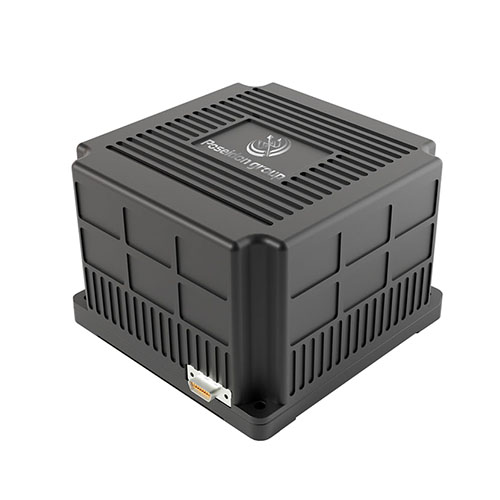 TBSD60
 BSD120
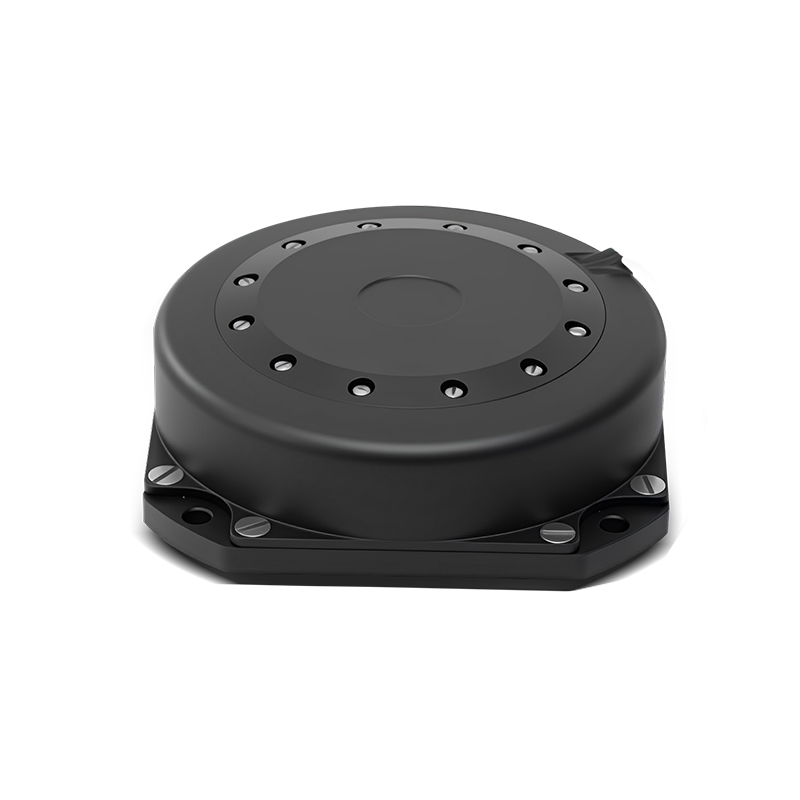 BSD98
BSD98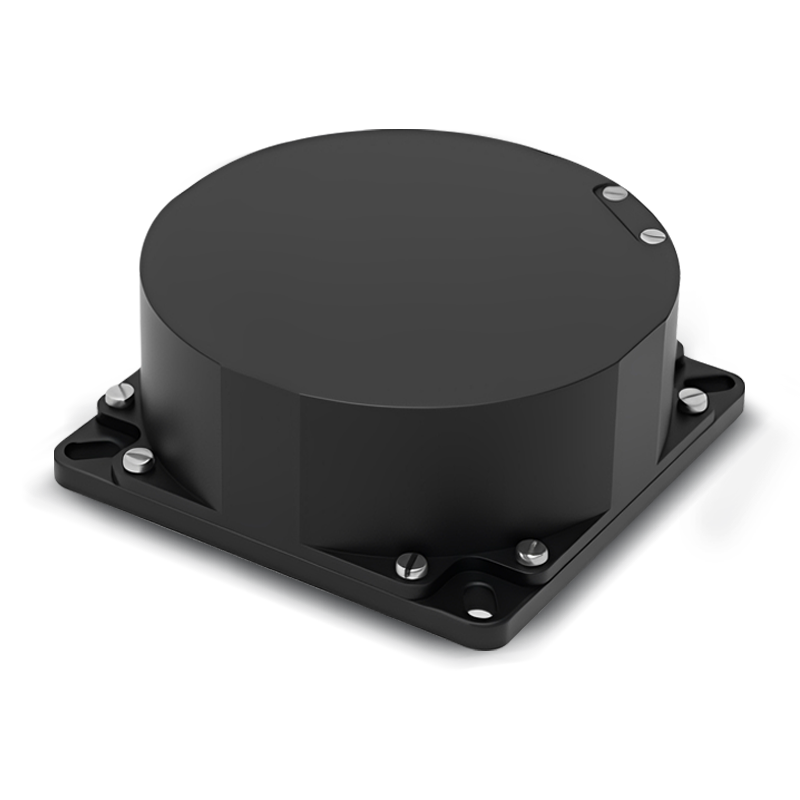 BSD70
BSD70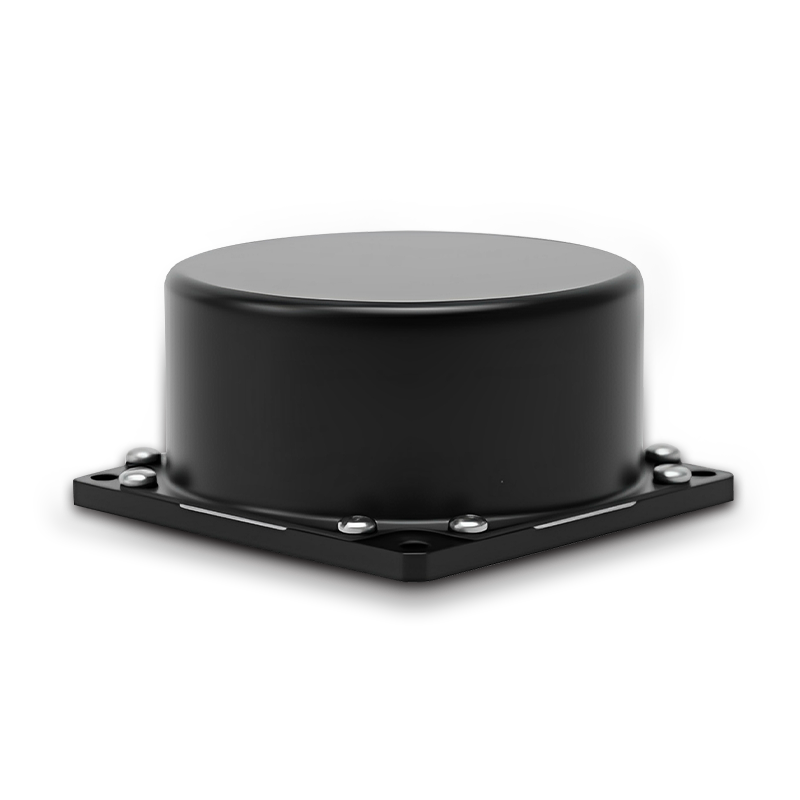 BSD60
BSD60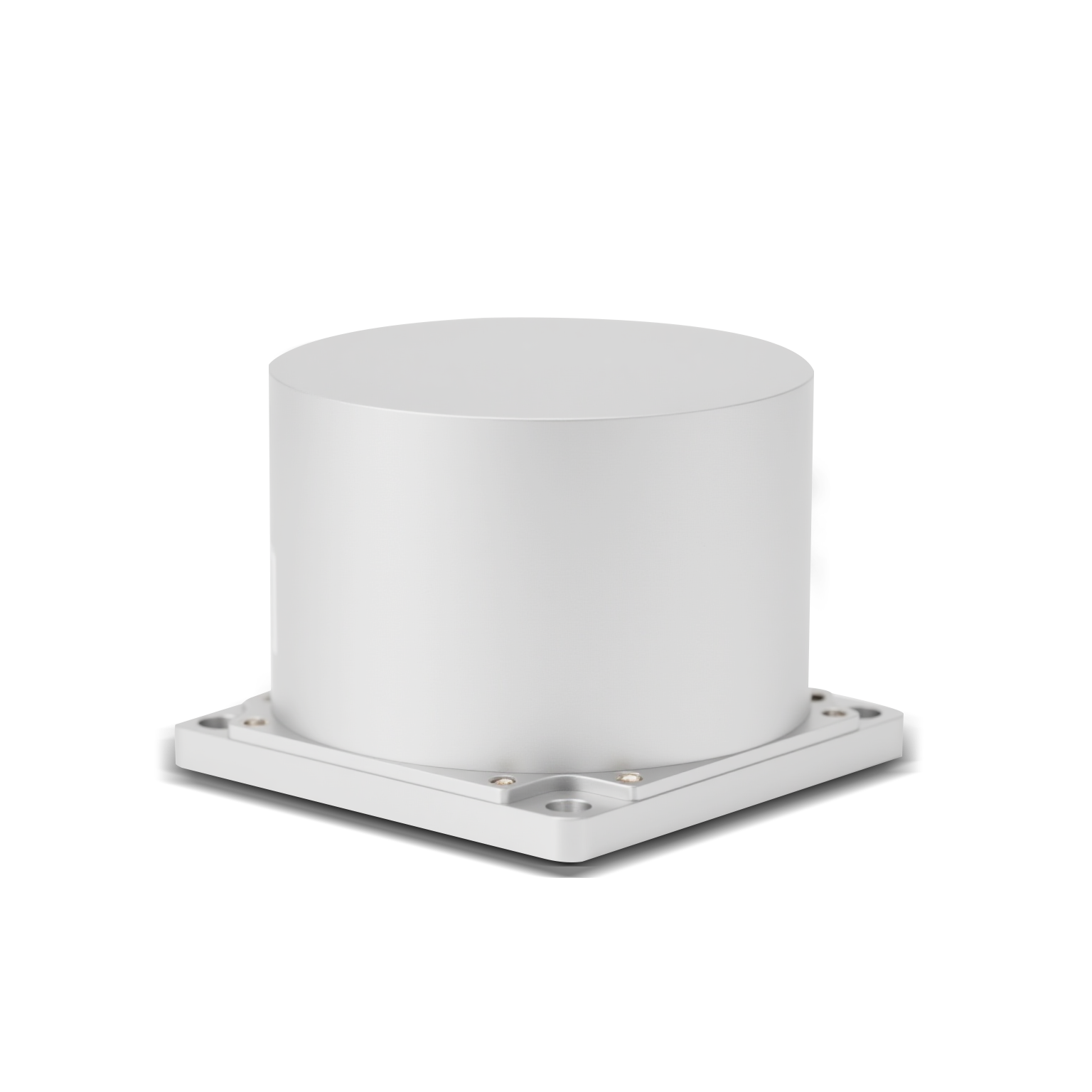 BSD50
BSD50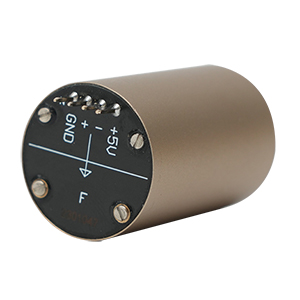 BSD217
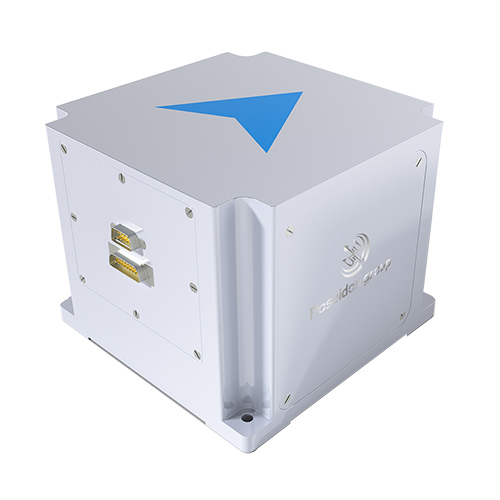 INS1700
 INS970
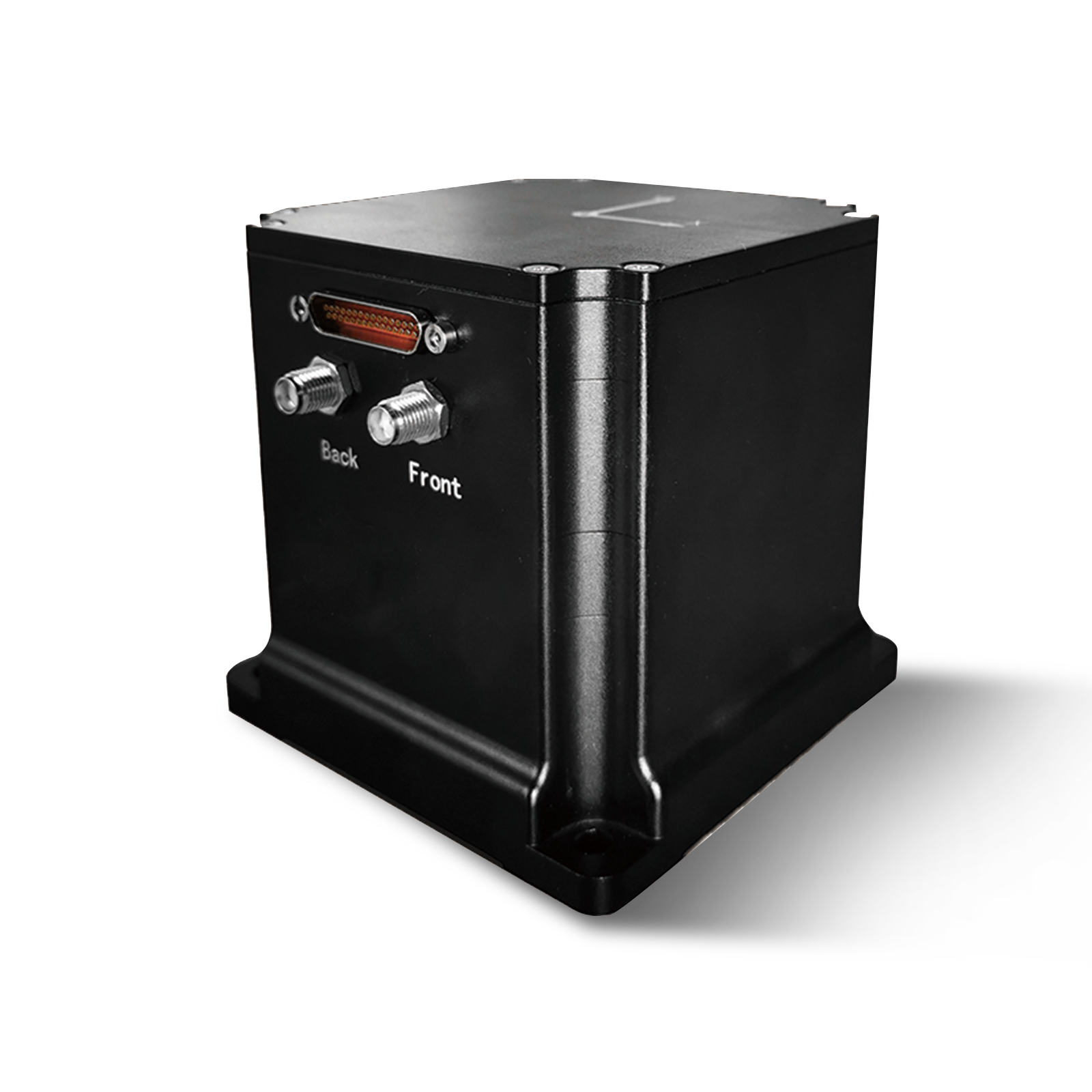 INS570
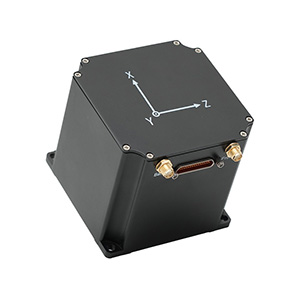 INS170
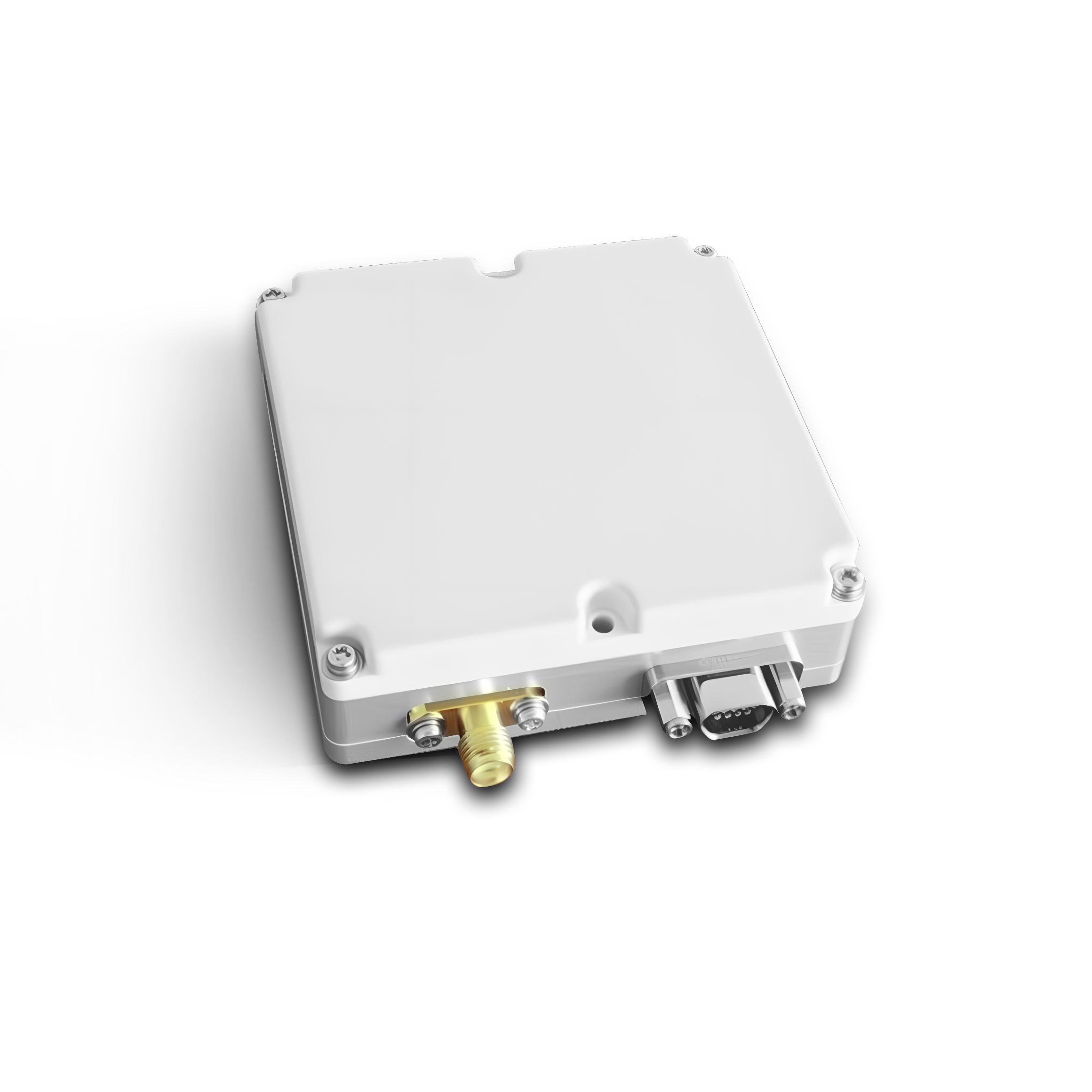 SLA-4B1L1-65
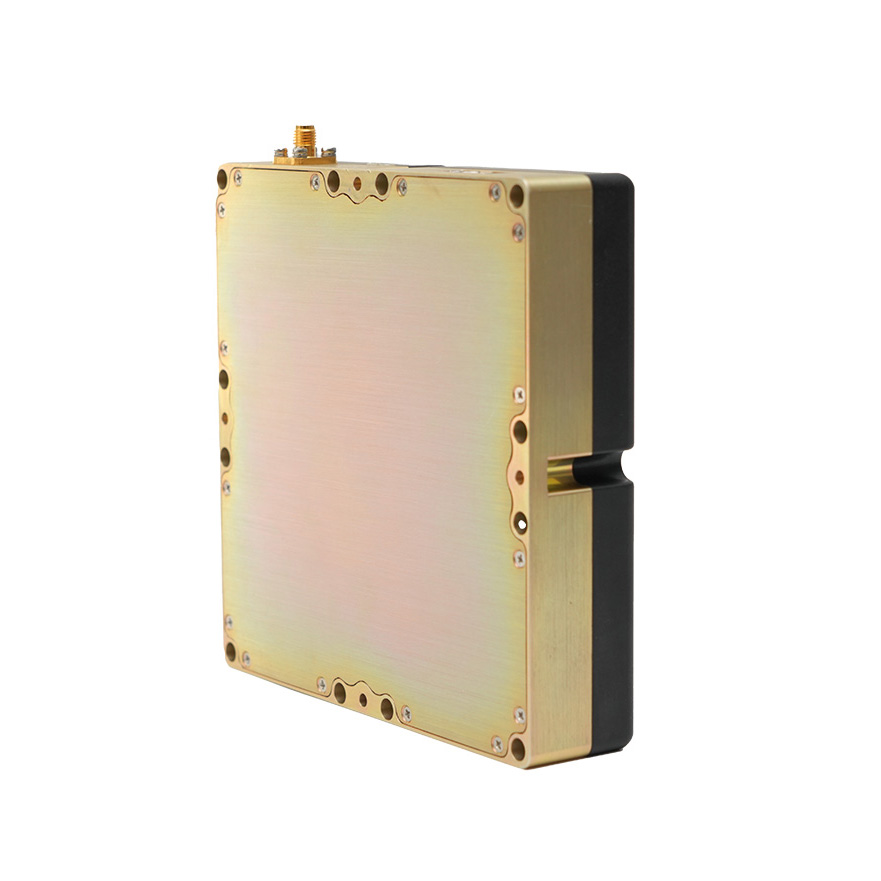 SLA-4B1L1-130
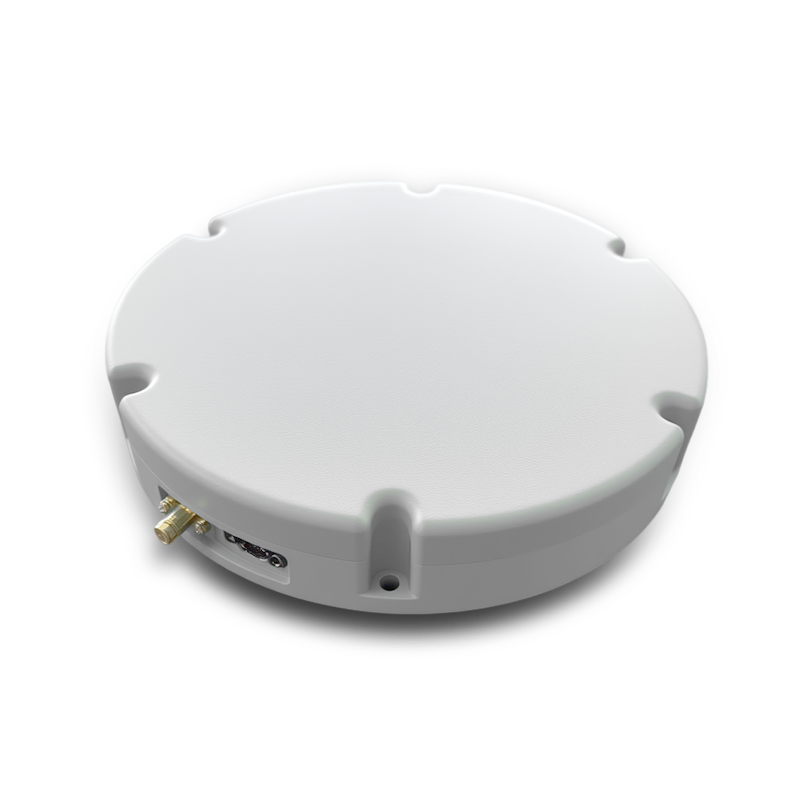 SLA-8B1L1-165
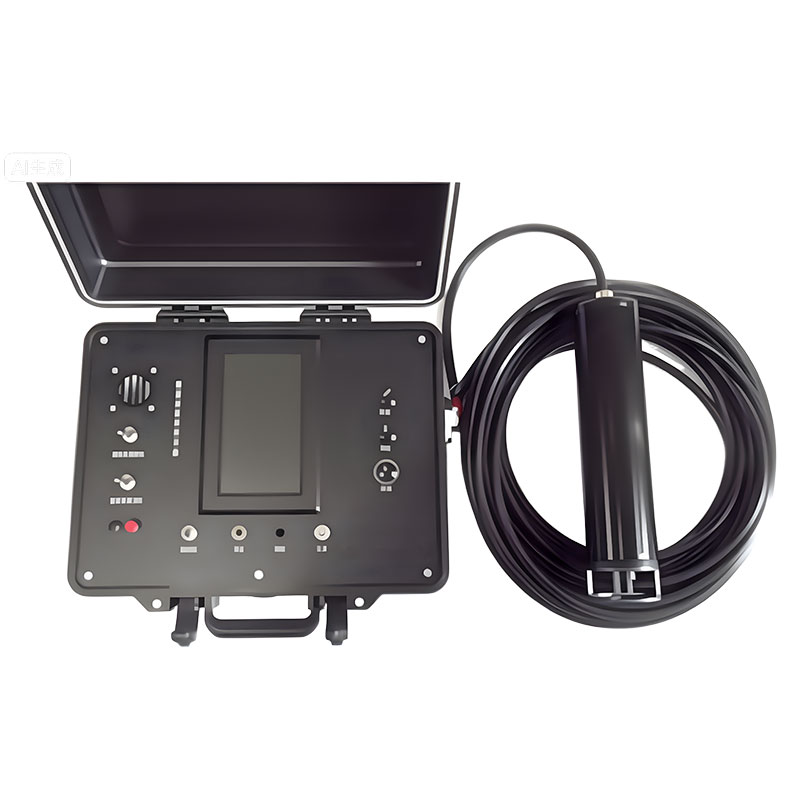 DIVER 101
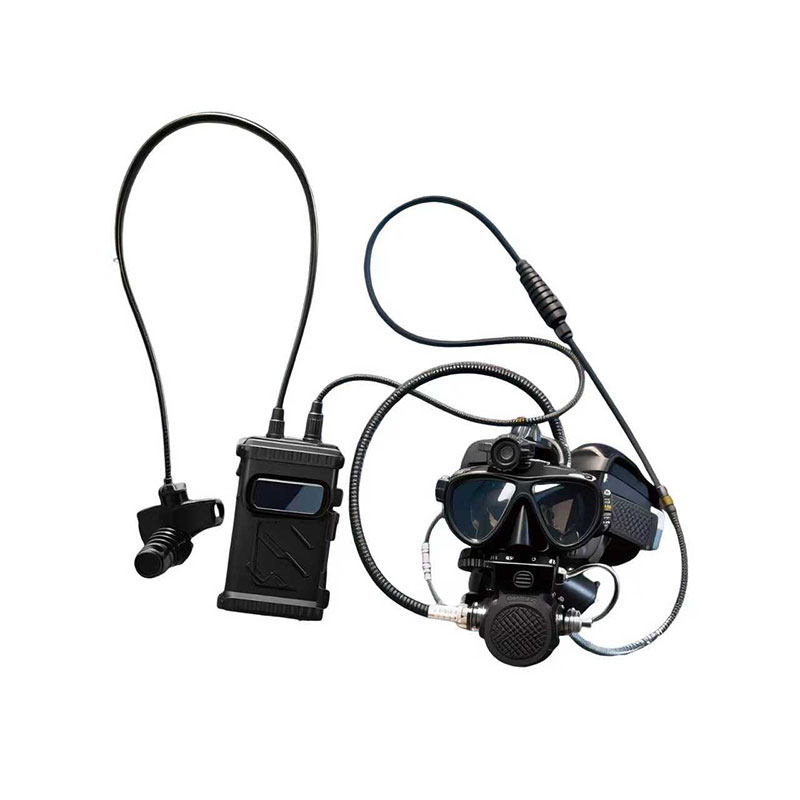 DIVER 102
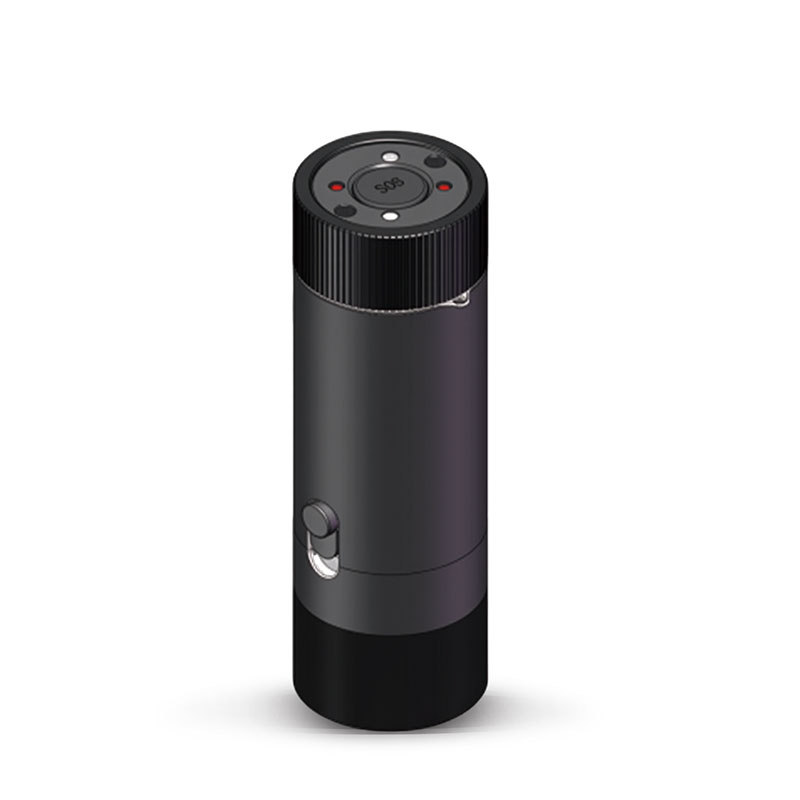 DIVER 103
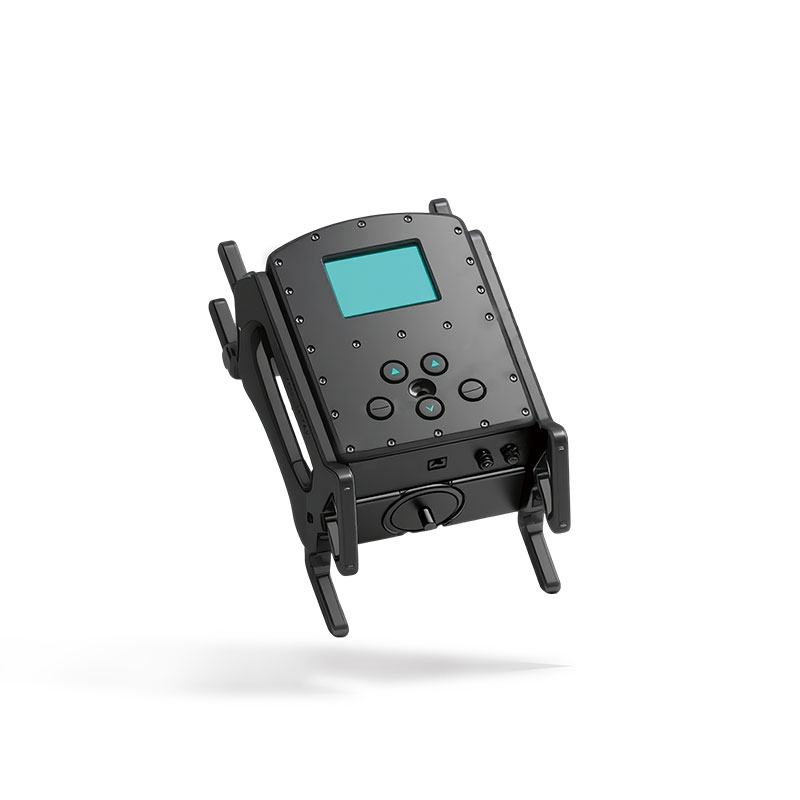 DIVER 104
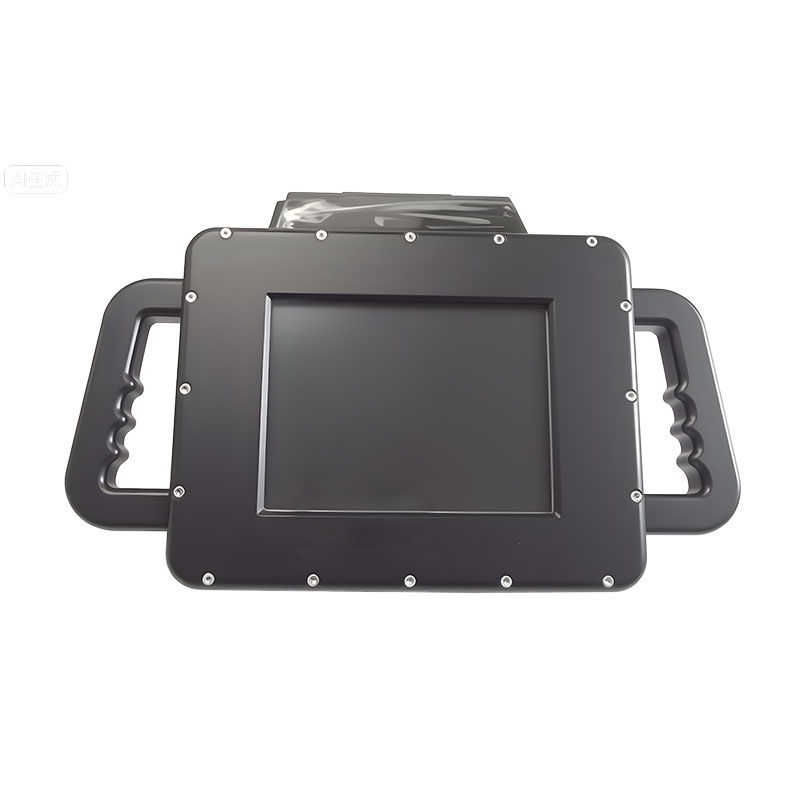 DIVER 105
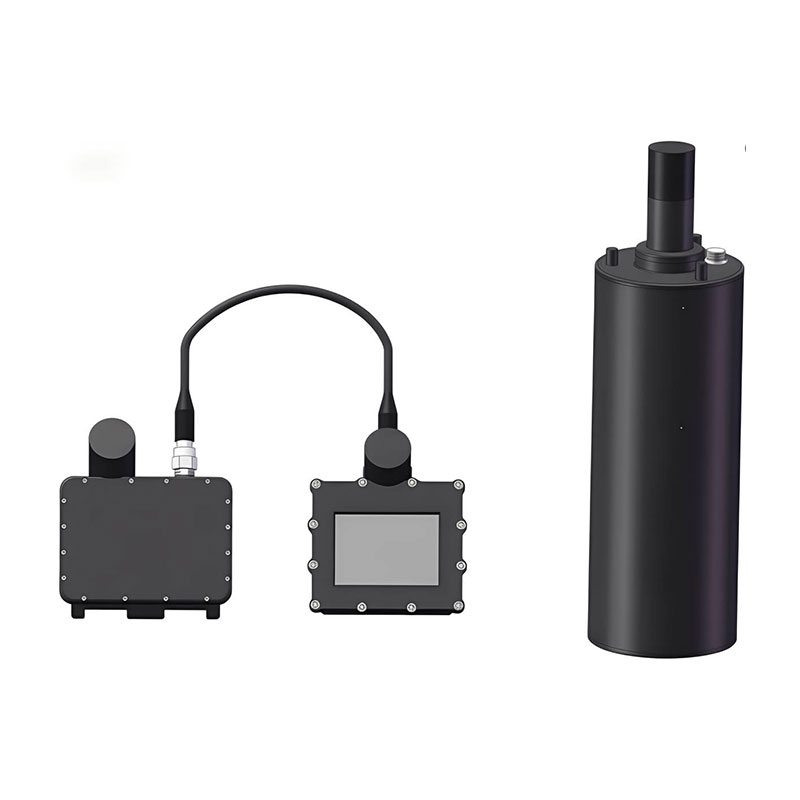 DIVER 106
 SLLR3000
 SLLR905
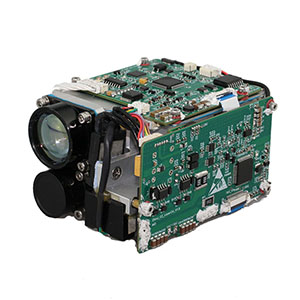 SLLD25
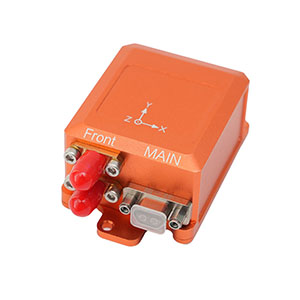 160M
160M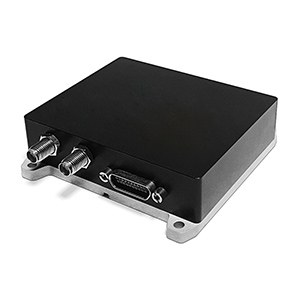 170M
170M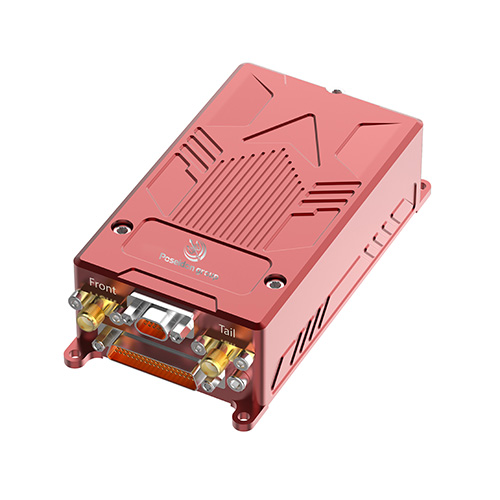 SLFC-70
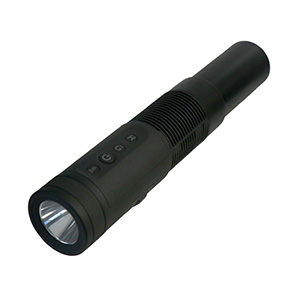 SLAF280
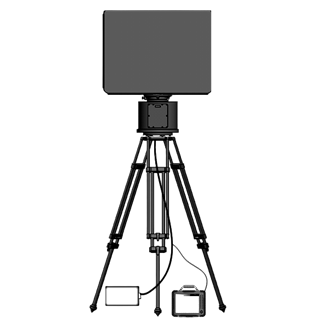 MR360
MR360